

The fascination with gambling tracing its historical evolution through the ages
The fascination with gambling tracing its historical evolution through the ages
The Origins of Gambling
The allure of gambling can be traced back thousands of years to ancient civilizations. Archaeological evidence suggests that dice were used in Mesopotamia around 3000 BC, hinting at humanity’s early fascination with chance and luck. This primal urge to gamble likely stemmed from the human desire to predict outcomes and secure wealth, a theme that has persisted throughout history. For those interested in engaging with modern platforms, https://bestonlinecasino-australia.com/paypall/ offers an insightful overview of transactions using PayPal.
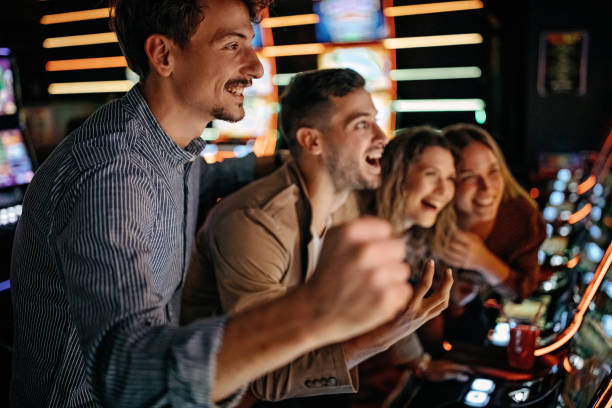
As societies evolved, so did the forms of gambling. The ancient Chinese were known to play lottery-like games as early as the Han Dynasty, while the Greeks and Romans developed intricate betting systems on athletic competitions and gladiatorial contests. These early examples laid the groundwork for the diverse gambling practices we see today, highlighting a deep-rooted cultural fascination with risk and reward.
The Development of Formal Gambling Structures
With the Middle Ages came the establishment of structured gambling practices, particularly in Europe. The advent of card games in the 14th century marked a significant shift, leading to the creation of gambling houses. These early establishments provided a space for social interaction and risk-taking, solidifying gambling as a popular pastime among the elite.
During this time, the establishment of rules and odds became essential. Gamblers began to understand the mathematics behind chance, creating a culture that emphasized strategic thinking alongside luck. This evolution set the stage for the emergence of more regulated forms of gambling, leading to the first modern casinos in the 17th century, particularly in Italy.
The Age of Modern Casinos
The 18th and 19th centuries saw a boom in the construction of casinos across Europe and America. These lavish venues attracted the wealthy and curious alike, offering a range of games from roulette to baccarat. The atmosphere of glitz and glamour appealed to the public, turning gambling into a mainstream entertainment option.
During this period, innovations such as the use of probabilities became vital for gamblers. Understanding odds transformed the gaming experience, allowing players to make more informed decisions. This era not only showcased the thrill of gambling but also highlighted its complexities, merging chance with calculated risk.
The Rise of Online Gambling
The advent of the internet in the late 20th century revolutionized the gambling industry. Online casinos emerged, making gambling accessible to a global audience. This digital transformation opened up new avenues for betting, allowing players to engage in their favorite games from the comfort of their homes.
Online platforms introduced sophisticated security measures, such as the use of e-wallets like PayPal, ensuring safe transactions for users. The convenience of online gambling continues to captivate millions, making it a dominant force in the gambling landscape today. As technology progresses, the fascination with gambling is set to evolve further, integrating innovations that enhance user experience.

The Future of Gambling
As the fascination with gambling continues, it is essential to approach it responsibly. Understanding the odds and probabilities plays a crucial role in making informed choices. Engaging in responsible gambling practices ensures that the experience remains enjoyable while minimizing the risks associated with excessive betting.
For those interested in exploring the world of online gambling, resources like PayPal Casino Australia provide invaluable insights. They offer guidance on secure transactions and the various games available, ensuring players have a comprehensive understanding of their options. By promoting a safe and informed gambling environment, these platforms contribute to the ongoing evolution of this age-old fascination.